What Causes Concrete Cracks, Spalling, and Surface Damage
To repair concrete cracks, spalling, and surface damage effectively, local contractors can identify causes like settling, freeze-thaw cycles, or heavy loads and provide expert solutions.
Understanding what causes concrete cracks, spalling, and surface damage is essential for property owners seeking to maintain the integrity and appearance of their structures. These issues can arise from a variety of practical factors, including weather fluctuations, ground movement, improper mixing, or heavy usage over time. Recognizing the underlying causes helps identify when professional repair services are needed to prevent further deterioration and costly repairs down the line.
Property owners in the area who notice signs of surface damage or cracking should consider consulting local contractors experienced in concrete repair. Skilled service providers can assess the specific factors contributing to the damage and recommend appropriate solutions to restore the surface’s strength and appearance. Continuing to explore this topic can provide valuable insights into maintaining durable, long-lasting concrete surfaces and ensuring the safety and value of a property.
Get Quotes for Concrete Cracks, Spalling, And Surface Damage Repair
- Concrete cracks often develop due to ground movement or temperature fluctuations, and local contractors can assess and repair these issues to restore stability. Spalling occurs when moisture infiltrates concrete, causing surface layers to flake or break away, with service providers offering solutions to prevent further damage. Surface damage from wear and weathering can be addressed by local pros through surface repairs that enhance durability and appearance. Cracks caused by improper mixing or settling can be effectively repaired by local contractors experienced in concrete restoration. Surface deterioration from chemical exposure or heavy loads can be managed by local service providers to extend the lifespan of concrete surfaces.
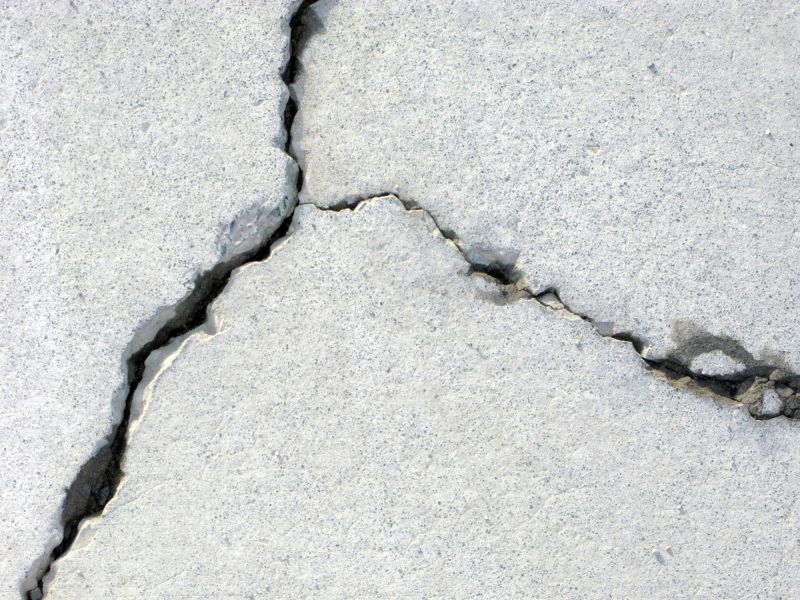
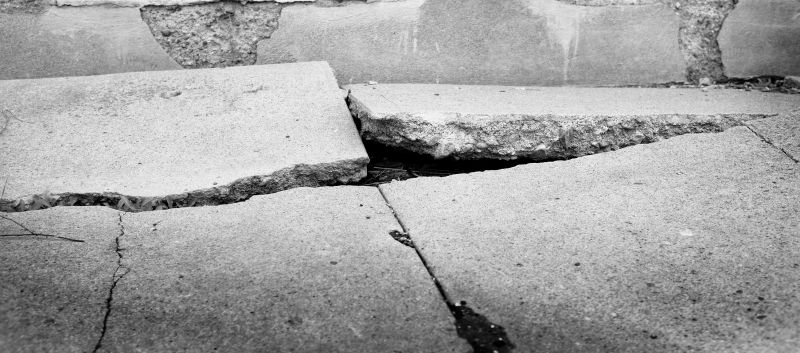
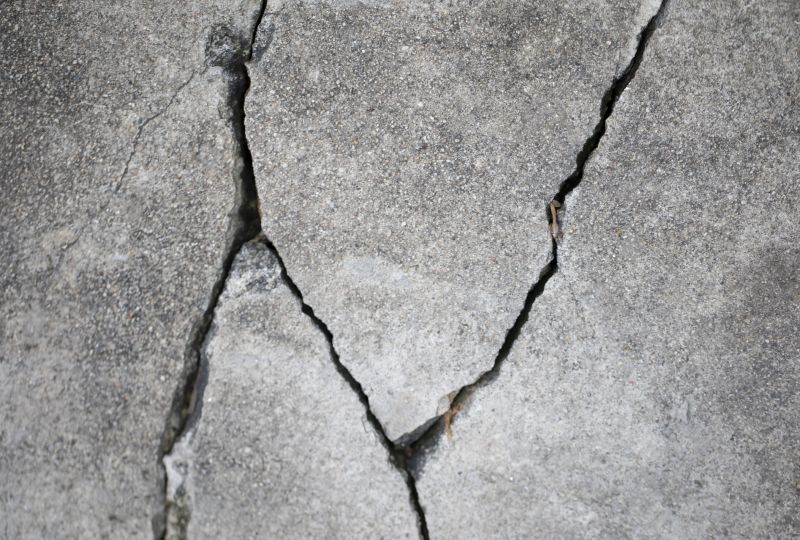
When people search for information about what causes concrete cracks, spalling, and surface damage, they often want to understand why their existing concrete surfaces are deteriorating or developing visible issues. These problems can affect a variety of property types, including residential driveways, patios, basement floors, commercial parking lots, and public walkways. Homeowners and property managers typically seek insights into the underlying causes to determine whether repairs are necessary and to prevent further damage. Recognizing the root causes helps them plan appropriate solutions, often involving local contractors who specialize in concrete repair and restoration.
Concrete cracks can develop for several reasons, with common causes including temperature fluctuations, ground movement, and improper installation. When concrete experiences rapid temperature changes, it can expand and contract, leading to stress that causes cracking. Similarly, shifting soil or unstable ground beneath the slab can create uneven pressure, resulting in cracks or even structural failure. Poor mixing or finishing techniques during installation can also leave the surface vulnerable to early cracking. Understanding these causes helps property owners identify whether cracks are superficial or indicative of deeper issues that require professional assessment and repair.
Spalling and surface damage often stem from issues like freeze-thaw cycles, moisture infiltration, and corrosion of embedded reinforcement. When water seeps into tiny pores or cracks and freezes, it expands, exerting pressure that causes the surface to flake or spall away. Over time, this process can significantly weaken the concrete’s integrity. Additionally, corrosion of steel rebar inside the concrete can cause internal expansion, leading to surface cracking and spalling. These problems are common in outdoor surfaces exposed to weather changes and moisture. Local concrete repair specialists can evaluate the extent of damage and recommend appropriate methods to restore the surface’s strength and appearance.
Surface damage in concrete can also result from chemical exposure, heavy impact, or improper sealing. Chemicals like de-icing salts or acids can deteriorate the surface finish, while heavy equipment or vehicular traffic can cause abrasions and surface wear. Inadequate sealing or protective coatings often leave concrete vulnerable to these damaging elements, accelerating deterioration. Property owners looking to address surface damage typically seek the expertise of local contractors who can assess the severity of the issues and apply suitable repair techniques. These professionals can help restore the surface, improve durability, and extend the lifespan of the concrete structures.
Concrete Restoration Projects - These projects involve repairing and restoring damaged concrete surfaces, requiring skills in diagnosing issues related to cracks, spalling, and surface deterioration.
Foundation Repair Services - Foundation repairs often address cracks caused by settling or shifting, which are closely related to surface damage and structural issues in concrete.
Driveway and Sidewalk Repair - Repairing cracked or damaged driveways and sidewalks involves understanding the causes of surface deterioration and applying appropriate repair techniques.
Pool Deck Resurfacing - This work deals with surface damage and spalling, requiring knowledge of concrete surface treatments and damage prevention methods.
Exterior Concrete Finishing - Finishing projects focus on surface quality and durability, addressing issues like surface damage and cracking before they worsen.
Structural Concrete Repair - These projects involve fixing cracks and spalling in load-bearing concrete, requiring expertise in surface and structural integrity issues.
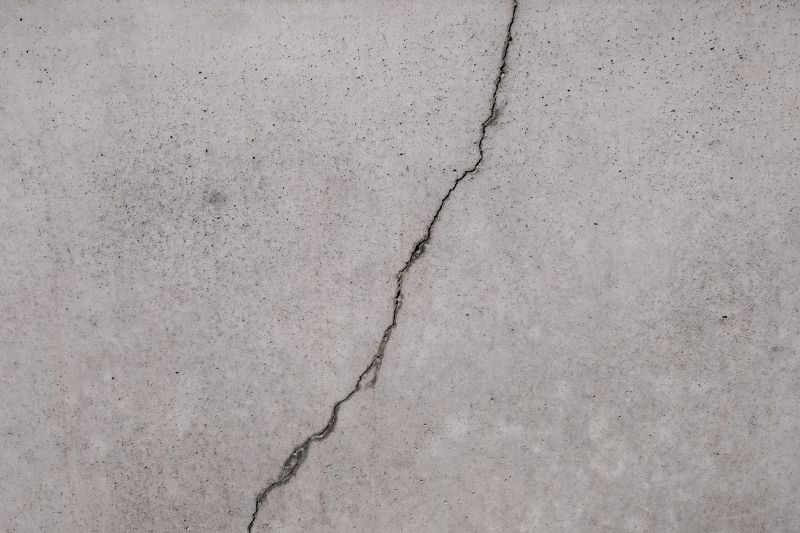
When evaluating service providers for concrete cracks, spalling, and surface damage repair, it’s important to consider their experience with similar projects. Contractors who have handled repairs of comparable scope and complexity are more likely to understand the underlying causes of these issues and recommend appropriate solutions. An experienced local contractor can assess whether the damage stems from factors such as ground movement, improper mixing, or exposure to harsh weather, ensuring that repairs address both the symptoms and root causes effectively.
Clear written expectations are essential when comparing local pros for concrete repairs. A reputable service provider should be able to outline the scope of work, materials to be used, and the steps involved in the repair process in a straightforward manner. This transparency helps ensure that homeowners understand what to expect and can compare proposals accurately. Having detailed, written descriptions of the work also reduces the chances of misunderstandings or surprises once the project is underway.
Good communication and reputable references are key indicators of a reliable contractor. Service providers who are responsive to questions and provide clear explanations demonstrate professionalism and a commitment to customer service. Additionally, seeking references or reviews from previous clients who had similar issues can offer insight into the quality of workmanship and the contractor’s ability to resolve concrete surface problems effectively. These factors help homeowners feel confident in selecting a contractor capable of diagnosing the causes of damage and delivering lasting repairs.
Get a Quote for Concrete Cracks, Spalling, And Surface Damage Repair
Property owners often search for what causes concrete cracks, spalling, and surface damage when they are planning practical projects around their homes and businesses. Local pros provide Concrete Cracks, Spalling, and Surface Damage Repair services for everyday jobs and straightforward project options.
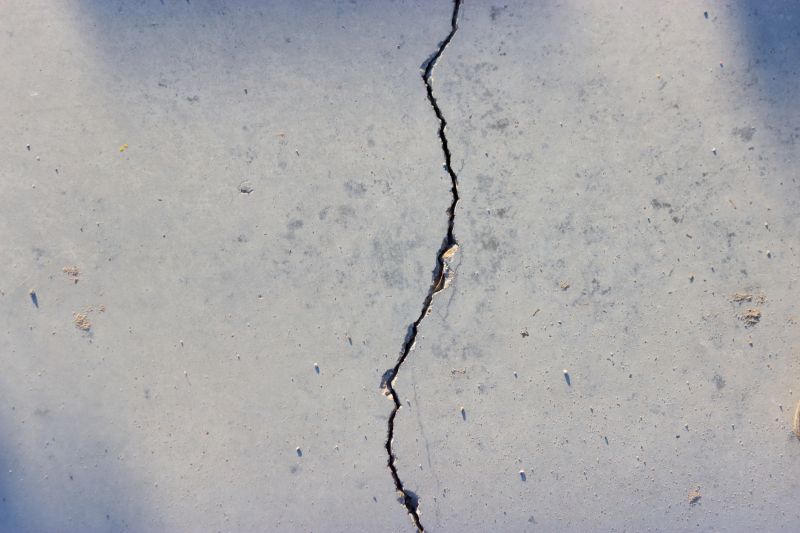
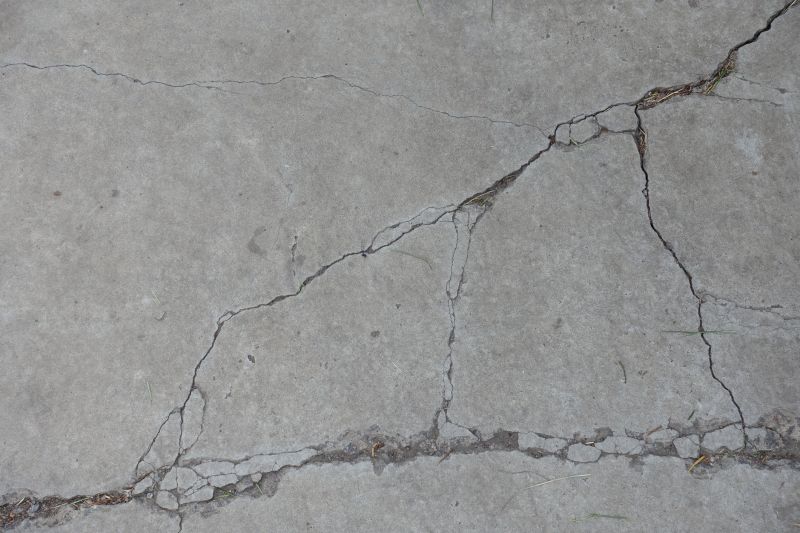
Understanding what causes concrete cracks, spalling, and surface damage can help property owners identify potential issues early and seek appropriate repairs. Common causes include natural settling or shifting of the ground beneath the concrete, which can create stress and lead to cracking over time. Additionally, exposure to freeze-thaw cycles, where water seeps into small cracks and expands as it freezes, often results in surface damage and spalling. Improper installation or inadequate curing during the initial pouring process can also weaken concrete, making it more susceptible to surface deterioration and cracking as it ages.
For those noticing signs of damage, connecting with experienced local contractors can provide effective solutions to restore the integrity and appearance of concrete surfaces. These service providers have the expertise to assess the underlying causes of cracks, spalling, and surface damage, and to recommend suitable repair methods. Whether it’s sealing cracks, addressing underlying ground movement, or resurfacing damaged areas, local pros can help ensure concrete structures remain durable and safe for everyday use.
Get a Quote for Concrete Cracks, Spalling, And Surface Damage Repair
What causes concrete cracks, spalling, and surface damage? These issues can result from factors such as freeze-thaw cycles, soil movement, improper mixing, or heavy loads that put stress on the concrete surface. Local contractors can assess the underlying causes and recommend appropriate repairs to prevent further damage.
How does temperature change affect concrete surfaces? Fluctuations in temperature can cause concrete to expand and contract, leading to cracking or surface spalling over time. Service providers can identify temperature-related damage and perform repairs to restore the integrity of the concrete.
Can poor installation lead to surface damage? Yes, improper placement or curing of concrete can result in cracks, surface scaling, or spalling. Experienced local contractors can evaluate installation issues and carry out repairs to improve durability and appearance.
What role does moisture play in concrete deterioration? Excess moisture can cause freeze-thaw damage, corrosion of reinforcement, or surface erosion. Local pros can address moisture-related problems and repair surface damage caused by water infiltration.
Are structural issues a cause of surface damage and cracking? Structural movement or settling can create stress within the concrete, leading to cracks and spalling. Service providers can diagnose these problems and perform necessary repairs to stabilize the surface.
Understanding weather effects - property owners can plan repairs by recognizing how freeze-thaw cycles and temperature changes contribute to concrete surface damage, prompting them to seek local contractors for protective solutions.
Addressing improper installation - awareness of how poor placement or curing methods cause cracks and spalling encourages property owners to work with local pros for proper concrete installation and repair.
Managing load and weight - knowing that excessive weight or shifting loads lead to surface damage can motivate property owners to consult local contractors for reinforcement and crack prevention.
Monitoring ground movement - recognizing soil settling or shifting as a cause of cracks helps property owners identify when to engage local pros for stabilization and surface repairs.
If you are thinking about what causes concrete cracks, spalling, and surface damage for a property, this guide is meant to help you understand this topic, the typical project types, and how different options might fit your plans.
When you are ready, you can use the quote form on this page to share a few details about your project. From there, local pros can review the basics and follow up with options that match what you have in mind.
Get a Quote for Concrete Cracks, Spalling, And Surface Damage Repair