
Favorite Sidewalk Patching Supplies For Reliable And Smooth Repairs
Explore the most recommended patching materials that help achieve a professional finish on every sidewalk repair job.
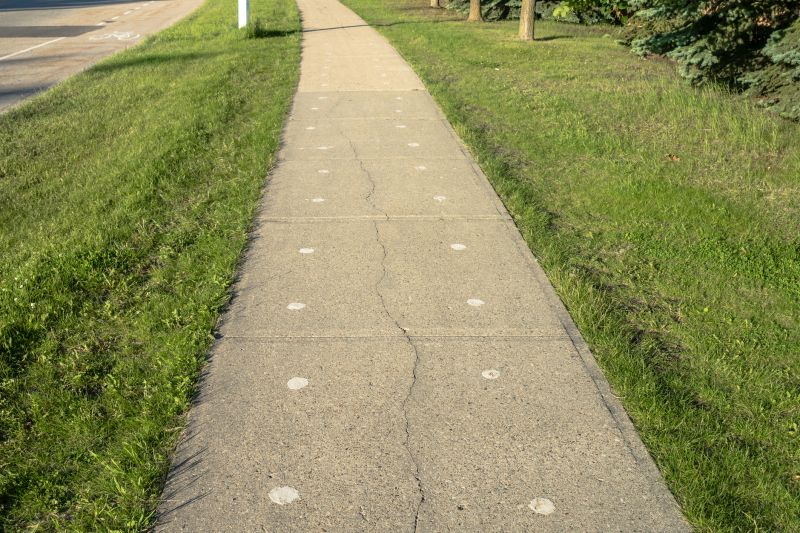 Maintaining a smooth and safe sidewalk surface is essential for pedestrian safety and property aesthetics. When cracks, holes, or uneven patches develop, selecting the right products for sidewalk patching becomes crucial. These products vary widely in composition, application method, and durability, offering options suitable for different types of damage and environmental conditions. Proper patching not only restores the appearance of a sidewalk but also helps prevent further deterioration caused by water infiltration and freeze-thaw cycles.
Top Overall Option
Concrete Repair Patch Mix
A versatile and user-friendly patching compound designed for both small cracks and larger holes in concrete sidewalks. It offers strong adhesion, weather resistance, and easy application, making it suitable for DIY repairs. Its quick-setting formula allows for efficient restoration, providing a durable surface that can withstand regular pedestrian traffic.
Types of Products For Sidewalk Patchings
Ready-Mix Concrete Patches
Pre-mixed formulations that require only water addition, ideal for quick repairs of cracks and holes.
Polymer-Modified Concrete
Enhanced concrete mixes with polymers for increased flexibility and adhesion, suitable for areas prone to movement.
Asphalt Cold Patches
Cold patch materials designed specifically for asphalt surfaces, easy to apply and suitable for potholes.
Epoxy Concrete Repair Kits
High-strength epoxy formulations for filling cracks and reinforcing weak spots in concrete.
Hydraulic Cement
Fast-setting cement ideal for sealing leaks and filling small holes with excellent adhesion.
Flexible Concrete Patches
Patches designed to accommodate ground movement, reducing cracking over time.
Polyurethane Foam Fillers
Expanding foam products for filling large voids and cracks in sidewalks.
Concrete Repair Caulk
Flexible caulking compounds for sealing small cracks and joints.
Mortar Mixes
Traditional mortar formulations for patching and rebuilding sidewalk edges and joints.
Self-Leveling Overlay
Thin, pourable overlays that create a smooth surface over uneven patches.
Cold Patch Asphalt Mix
Ready-to-apply asphalt mix for quick pothole repairs in asphalt sidewalks.
Polymer-Modified Asphalt
Enhanced asphalt repair materials for increased flexibility and longevity.
Liquid Concrete Patch
Pourable liquid formulations for filling deep cracks and holes.
Patch Repair Tape
Adhesive tapes designed for quick, temporary fixes on sidewalks.
Concrete Resurfacing Products
Thin coatings that restore the surface appearance and texture of sidewalks.
Patch Sealers
Sealants that protect patched areas from water and weather damage.
Fiber Reinforced Repair Mixes
Concrete mixes embedded with fibers for improved crack resistance and durability.
Popular Choices
Convenient pre-mixed options suitable for various sidewalk repairs, widely used for their ease of application.
Commonly chosen for asphalt surfaces, these patches provide quick and effective pothole repairs.
Popular for their strong adhesion and durability, especially in high-traffic areas.
Favored for sealing leaks and filling small holes rapidly with reliable bonding.
Chosen for areas experiencing ground movement, reducing the risk of future cracking.
Ideal for filling large voids quickly, expanding to fill uneven spaces.
Popular for small cracks and joints, providing a flexible sealant.
Commonly used for patching edges and rebuilding sections with a traditional approach.
Preferred for creating smooth, even surfaces over damaged patches.
Popular for quick, temporary fixes on sidewalks before more permanent repairs.
Used to restore the appearance of worn or damaged sidewalks with minimal removal.
Sidewalk patching products are designed to be user-friendly, often requiring minimal tools and preparation. Many formulations are ready-to-use, enabling quick repairs that can be completed in a matter of hours. For larger or more complex repairs, specialized mixes or repair kits provide the necessary strength and flexibility to accommodate ground movement and temperature fluctuations. When choosing a product, it is important to consider the type of damage, the size of the area, and the expected traffic load to ensure a long-lasting repair.
Durability is a key factor in sidewalk patching, as the repaired surface must withstand foot traffic, weather conditions, and potential chemical exposure. Some products are formulated to bond strongly with existing concrete or asphalt, ensuring a seamless repair that resists cracking and crumbling over time. Additionally, color-matching options are available to help blend patches with the surrounding surface, maintaining the aesthetic integrity of the sidewalk.
Proper application techniques, including surface preparation and curing time, are vital for optimal results. Many patching products come with detailed instructions to guide users through the process. Investing in high-quality materials and following best practices can extend the lifespan of sidewalk repairs, reducing the need for frequent maintenance and costly replacements.
Key Buying Considerations
- Type of damage and size of the repair area
- Compatibility with existing sidewalk material (concrete or asphalt)
- Weather resistance and durability of the product
- Ease of application and required tools or equipment
- Curing time and drying requirements
- Color-matching options for aesthetic blending
- Flexibility of the product to accommodate ground movement
- Water resistance and sealing capabilities
- Strength and bonding properties of the patching material
- Environmental conditions where the repair will be performed
- Long-term performance expectations
- Budget and cost-effectiveness
- Availability of repair kits versus bulk materials
- Brand reputation and user reviews
- Safety precautions and handling instructions